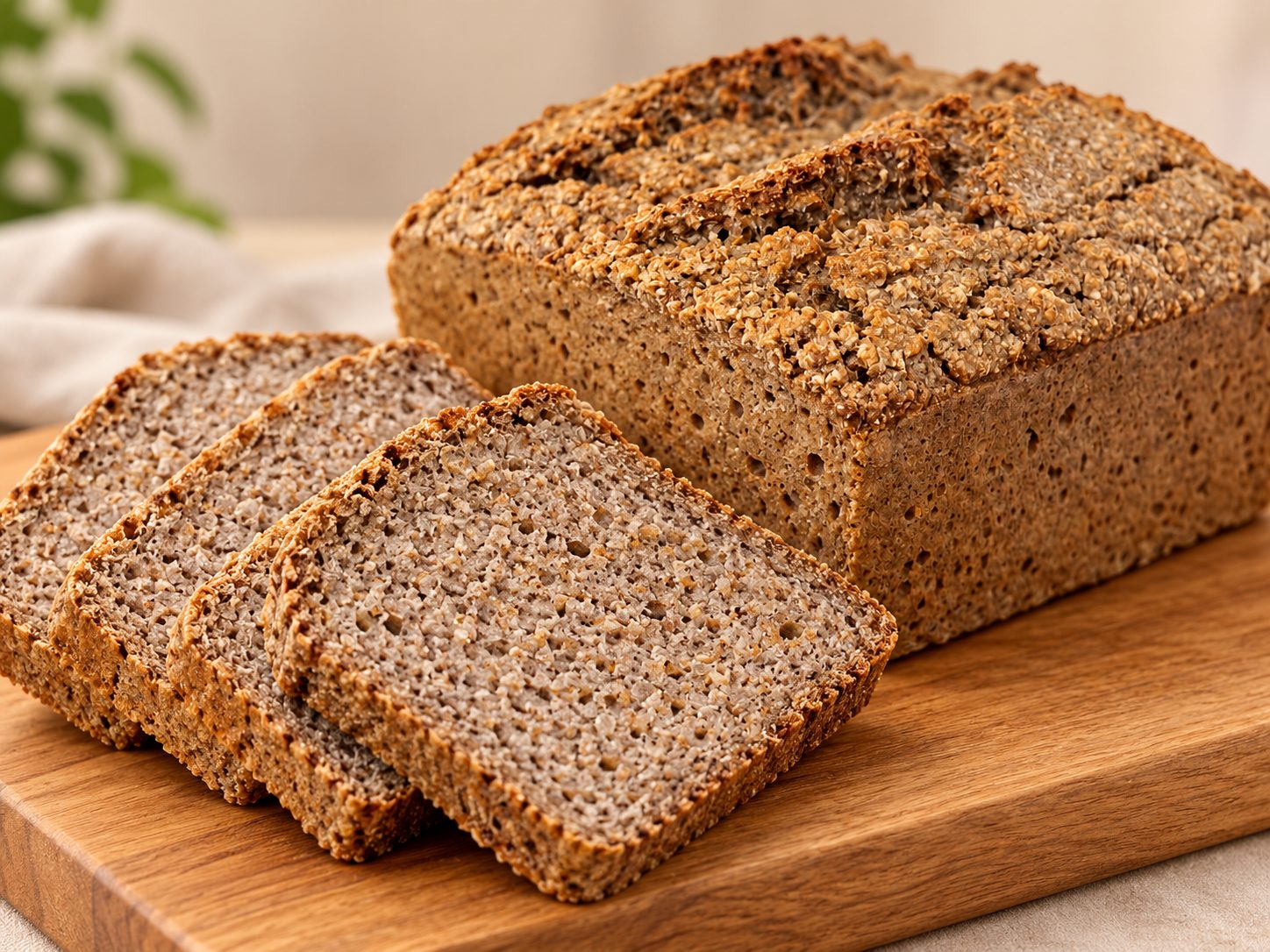
Caring for nature has always been part of our story
Protecting nature has long been part of our family’s values. Through our own projects, we have supported the propagation and reintroduction of rare plant species. With Balam, we can take that commitment further — supporting conservation projects worldwide and choosing buckwheat, a crop that can benefit pollinators and soil health.
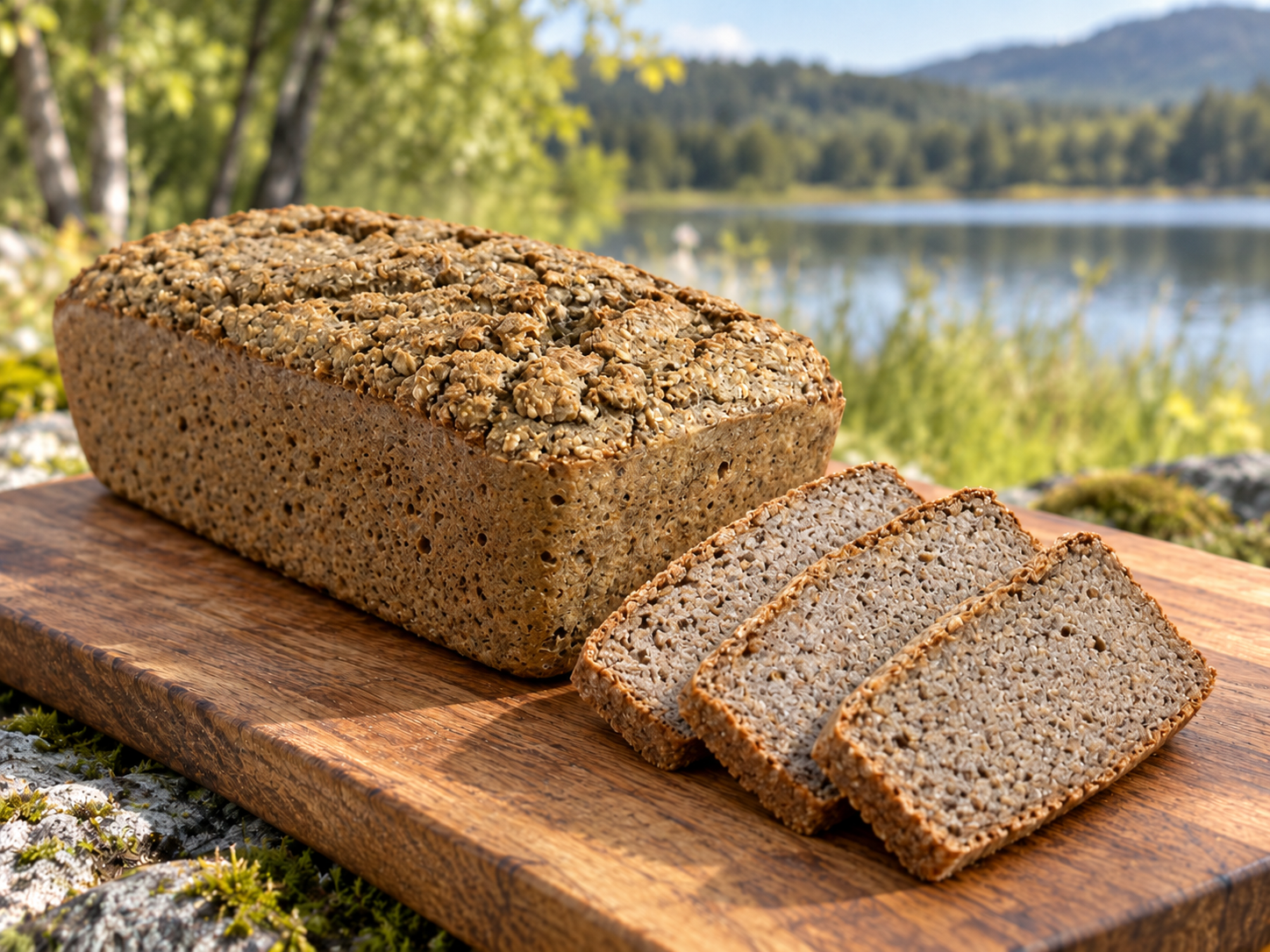
Build giving in from the beginning
For every Balam loaf sold, 1% of the sale goes directly to environmental conservation projects. Balam participates in 1% for the Planet, making environmental giving part of the business from the beginning.
From every loaf goes to environmental conservation projects.
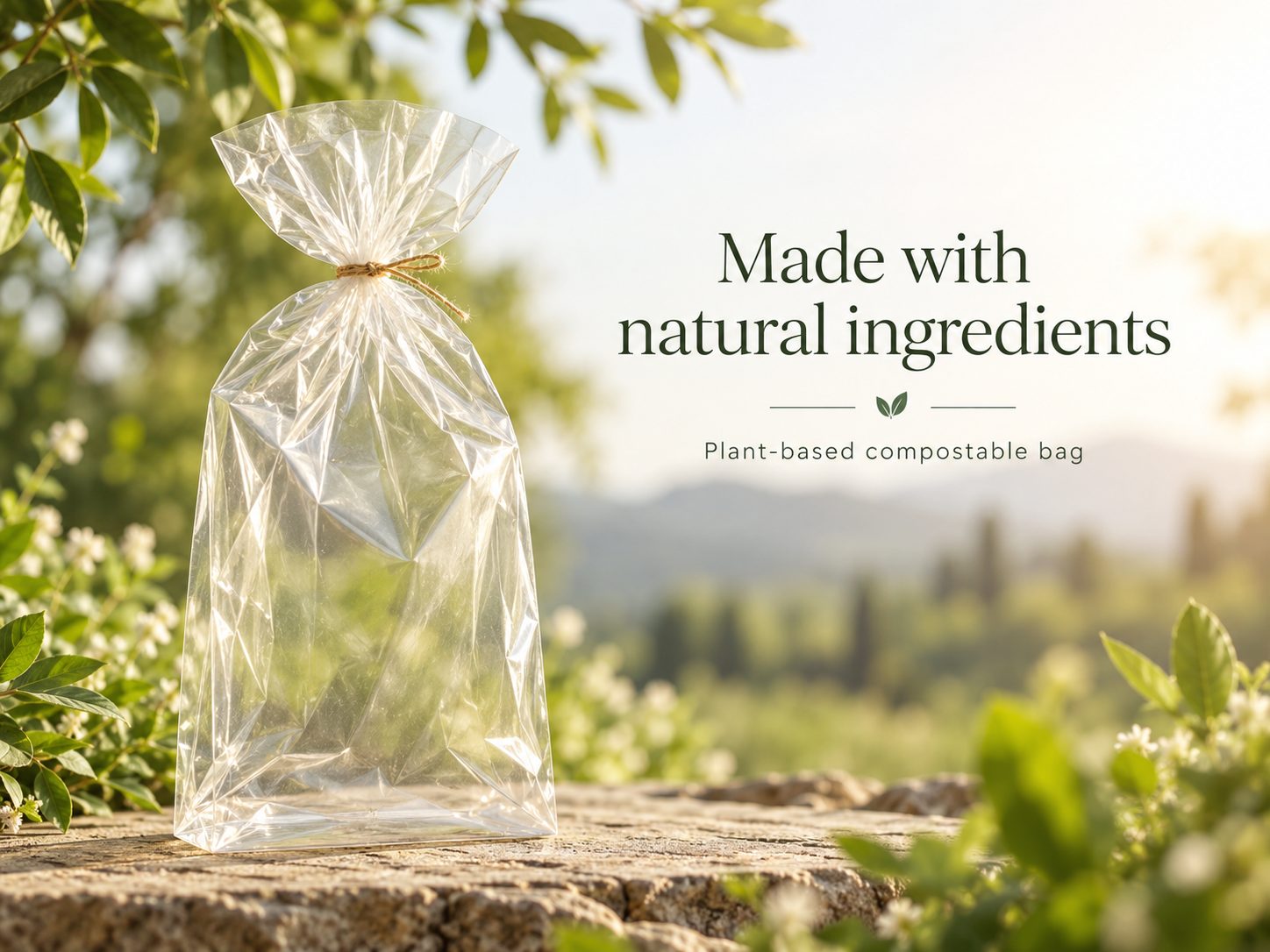
A plant-based, compostable bread bag and label
We pack Balam in a clear bread bag made from plant-based cellulose. The bag is compostable, helping us move away from conventional plastic packaging.
We pair it with a compostable, freezer-ready label so the whole package follows the same direction.
We chose a crop with more than a nutrition story
These benefits describe buckwheat as a crop in agricultural systems. The actual environmental outcome depends on the farm, region and management practices, which is why we want to ask more questions of the growers we buy from.
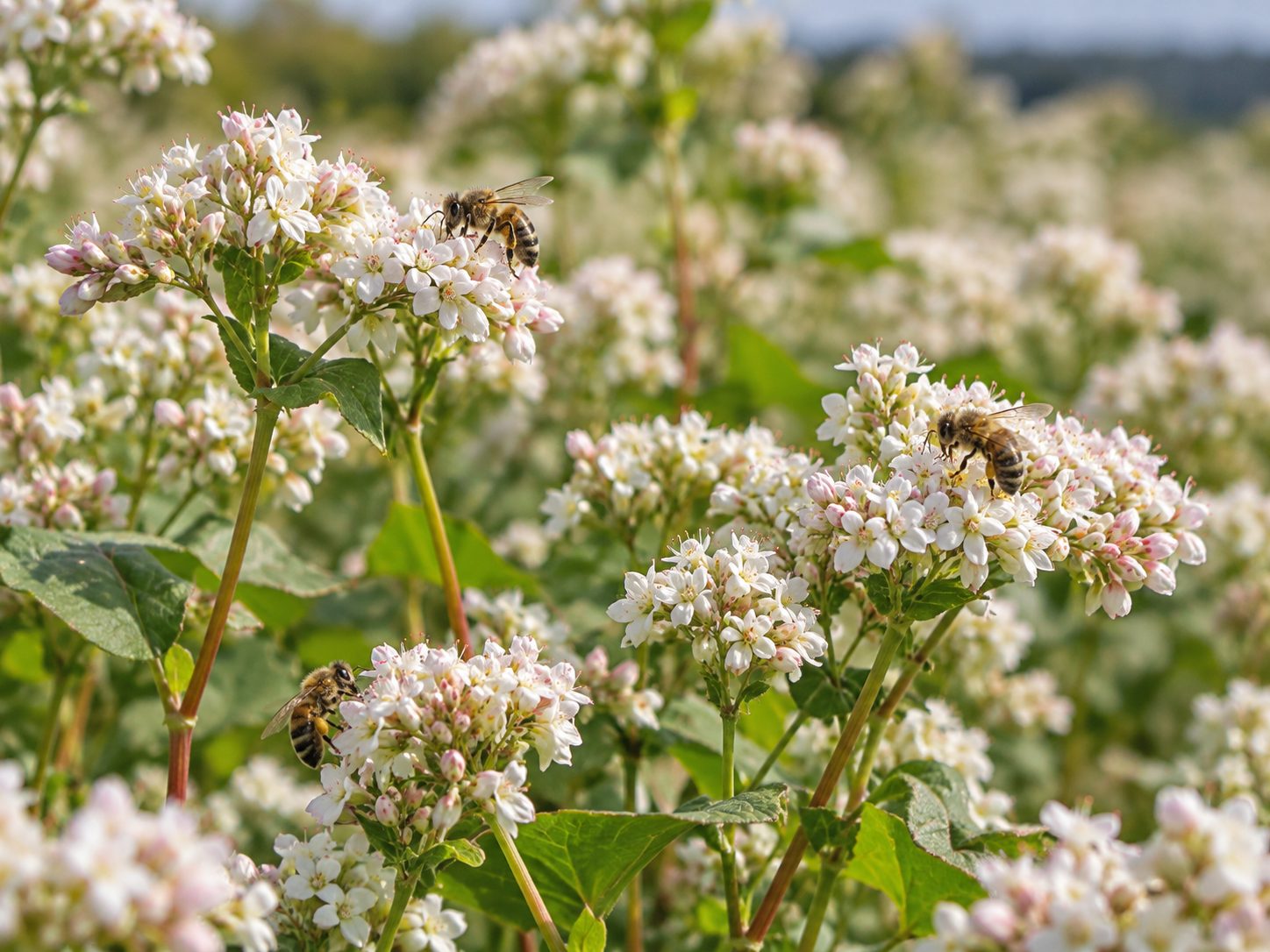
Pollinator food
Buckwheat produces abundant flowers that can provide nectar and pollen for honey bees, native bees and other beneficial insects.
Quick soil cover
Buckwheat germinates and grows rapidly, helping cover the soil and compete with weeds during suitable parts of a crop rotation.
Crop diversity
As a broadleaf pseudocereal, buckwheat can add diversity to rotations dominated by cereal grains and other major crops.
Phosphorus cycling
Its roots can help mobilize forms of phosphorus that are less available to some crops, supporting nutrient cycling in the soil.
Agronomy background: SARE — Buckwheat and USDA NRCS — Soil Health.