
We live in an age of unprecedented comfort, abundance, and medical progress.
Magazine headlines and television reports often remind us that people are living longer. We welcome that news. But life expectancy tells only part of the story.
In the United States alone, an estimated 40.1 million people have diabetes, and another 115.2 million adults have prediabetes. Together, these conditions affect more than half of American adults.
When we think about living well, we see two powerful forces shaping our future.
On one side, advances in medicine and biotechnology are helping people survive and manage illnesses that were far more difficult to treat twenty or thirty years ago. This progress is giving many people more time with their families.
At the same time, the way we eat has changed. Many modern diets rely heavily on ultra-processed foods, added sugars, and refined carbohydrates. Obesity and type 2 diabetes have become major public health challenges, while unhealthy eating patterns also contribute to conditions such as high blood pressure and fatty liver disease. Food is not the only factor, but it is an important one.
We can become better at treating disease while still struggling with the everyday habits that affect our health. Living longer does not automatically mean living well.
There is something worth learning from the way many of our ancestors ate: simple meals built around familiar ingredients, prepared at home and shared with family.
That simplicity is at the heart of Balam.
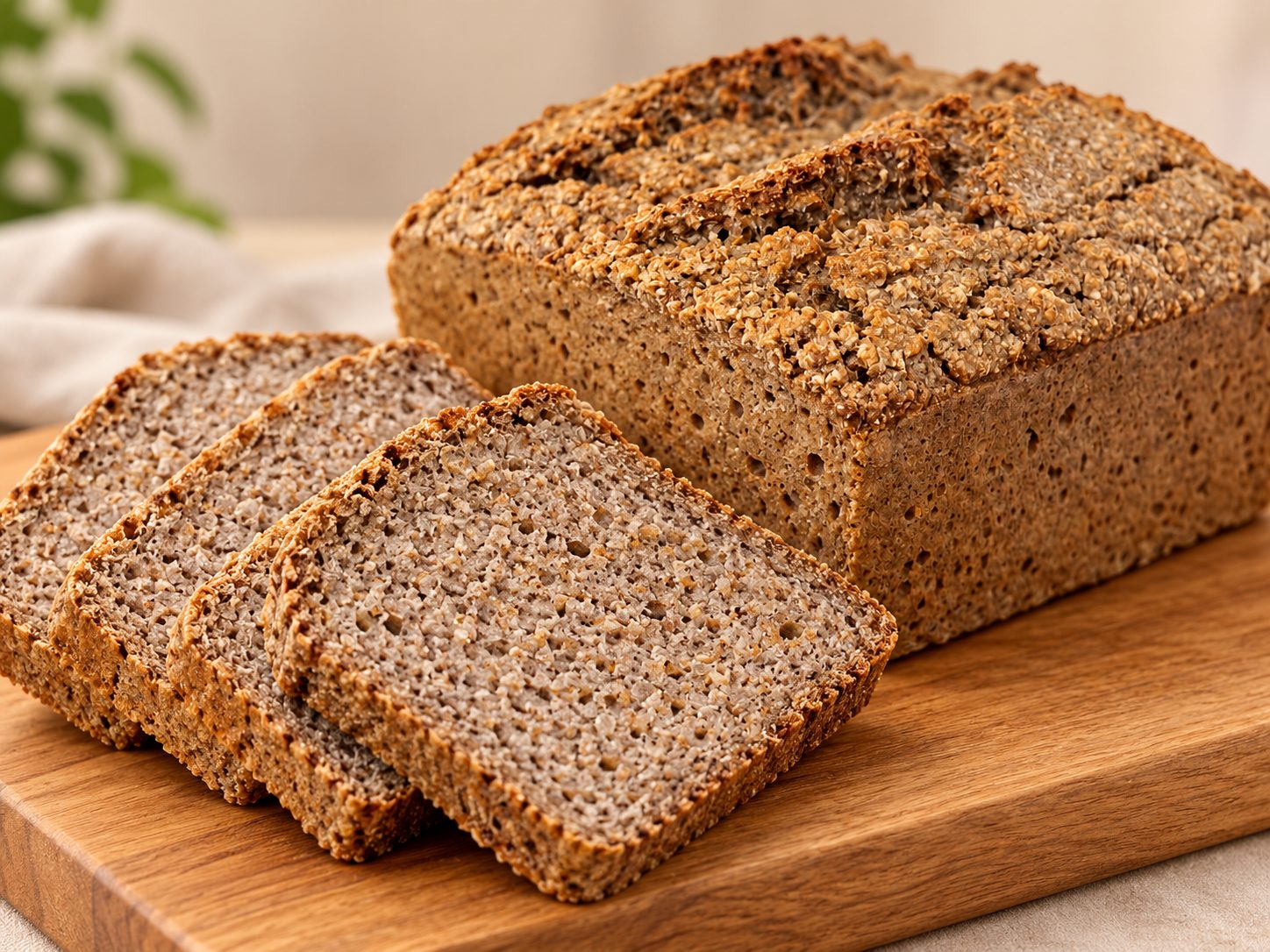
Balam is not bread in the conventional sense. At its core, it is a blend of organic superfoods, built around green buckwheat and quinoa—ingredients that naturally provide fiber, plant protein, essential minerals, and plant compounds with antioxidant properties.
We bring those ingredients together through natural fermentation to make the kind of food we want on our own family’s table.
A simple step toward living well.
For you. For your children.
Alina, founder of Balam Superfood Bread